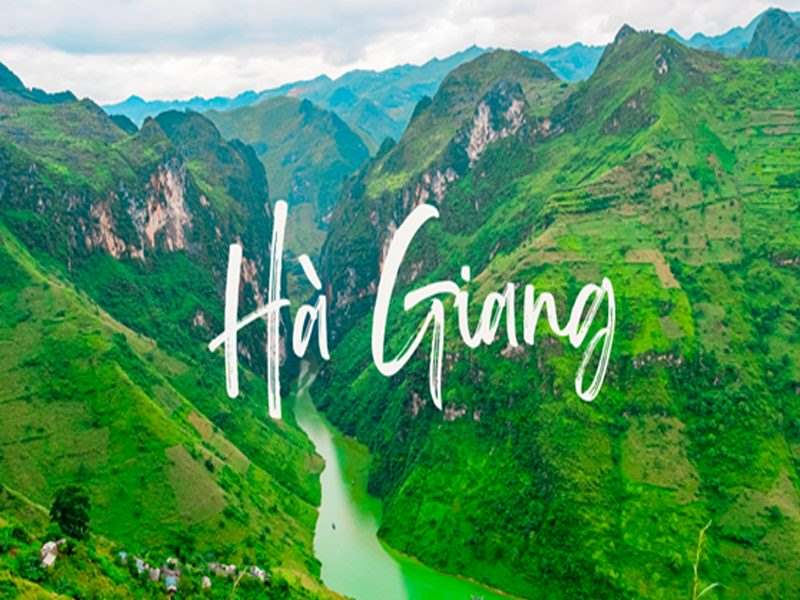
Ha Giang – the land at the northern tip of the Fatherland – is a paradise for adventure travel enthusiasts, with winding majestic mountain passes, golden ripe rice terraced fields, and ancient rammed-earth houses of ethnic minorities. Recognized by UNESCO as a Global Geopark, Ha Giang not only boasts spectacular natural landscapes but also embodies the diverse cultural identity of over 20 fraternal ethnic groups. Ha Giang tourism continues to boom with tours exploring buckwheat flower and ripe rice seasons, attracting millions of domestic and international visitors. Let’s dive into the details to plan your conquest of this “roof of the Northwest”!
Ideal Time and How to Get to Ha Giang
The best time to travel to Ha Giang is from September to November, when the rice ripens golden on the Hoang Su Phi terraced fields and buckwheat flowers bloom white across the sky, creating the most romantic natural painting. Winter (December – February) brings biting frost, suitable for cloud hunting and experiencing the Khau Vai Love Market Festival. Avoid the rainy season (June-August) due to slippery roads and landslide risks.
To get to Ha Giang from Hanoi, you have options:
- Sleeper bus: From My Dinh or Giap Bat stations, price 300,000 – 400,000 VND/way, time 6-7 hours (companies like Hao Nam, Quang Nghia).
- Plane: Fly to Na Khuang Airport (30km from Ha Giang City), round-trip ticket about 2,000,000 VND, then transfer by taxi or motorbike taxi (200,000 VND).
- Self-drive motorbike: 300km journey via Noi Bai – Lao Cai expressway, 7-8 hours, suitable for backpackers but need border permit at Thanh Thuy Border Gate.
From Ha Giang City, rent a motorbike (150,000 – 200,000 VND/day) or 4-seater car (800,000 VND/day) to explore sites. Use Google Maps or Vietmap app for navigation, and remember to get a border pass if going to Dong Van (free at Ha Giang Tourism Department).
Suggested 4-Day 3-Night Self-Guided Ha Giang Travel Itinerary
The basic 4-day itinerary is ideal for exploring the northern Ha Giang loop. Estimated total cost: 5,000,000 – 7,000,000 VND/person (including food, accommodation, transport).
- Day 1: Hanoi – Ha Giang City – Quan Ba Morning departure from Hanoi, afternoon arrival in Ha Giang City (stay at Lo Lo Hotel, 500,000 VND/night). Afternoon visit Double Mountain Quan Ba – the “fairy” symbol with two peaks protruding like a young woman’s breasts, and Heaven’s Gate Quan Ba – viewpoint for the full karst plateau panorama. Dinner with specialties like thang co and men men.
- Day 2: Yen Minh – Dong Van – Ancient Town Morning to Yen Minh Pine Forest – a lush pine area like mini-Da Lat. Afternoon conquer Ma Pi Leng Pass – one of the “Four Great Northern Passes” with sheer cliffs and turquoise Nho Que River winding below. Evening stroll Dong Van Ancient Town – cultural heritage with ancient rammed-earth houses, vibrant night market.
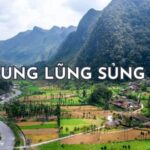
- Day 3: Lung Cu – Hoang Su Phi Morning to Lung Cu Flagpole – northernmost point of the Fatherland, panoramic border view from 1,470m summit. Afternoon to Hoang Su Phi – UNESCO golden ripe rice terraced fields, especially beautiful in September-October. Stay at Dao ethnic homestay (300,000 VND/night).
- Day 4: Du Gia – Return to Hanoi Morning visit Du Gia Cultural Village and Milestone 0, afternoon depart for Hanoi, stop at Cot Dat – cultural intersection of H’Mong and Dao.
Unmissable Highlight Travel Spots in Ha Giang
Ha Giang boasts over 20 “million-like” check-in spots, from natural heritage to ethnic culture. Below are the top 10 must-visits, with detailed descriptions to help you envision the exploration journey. Imagine gliding through winding roads, crisp mountain wind caressing your skin, and suddenly stopping before nature’s masterpieces intertwined with human hands – from roaring waterfalls to faint buckwheat flower scents, each spot awakens all senses.
1. Lung Cu Flagpole
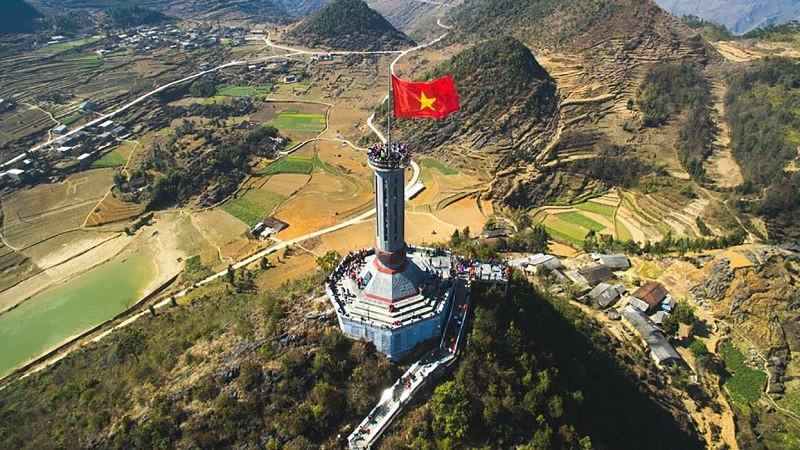
At 1,470m on the Dong Van Karst Plateau, Lung Cu Flagpole is a sacred sovereignty symbol at the northernmost point of the Fatherland, where you can gaze across the misty overlapping mountains to the Vietnam-China border. Built in 2011, the 36.6m flagpole (symbolizing the nation’s width) flies a 30m² red flag with yellow star, often raised at dawn with heroic trumpet sounds. Try trekking the 389 stone steps to the summit, breathing fresh air mixed with wild grass scents, and taking “national check-in” photos by the wartime bunker – moments swelling national pride. Entrance 25,000 VND/person (2025 update), open 7am-5pm, ideal combined with sunset tinting the plateau red.
2. Ma Pi Leng Pass
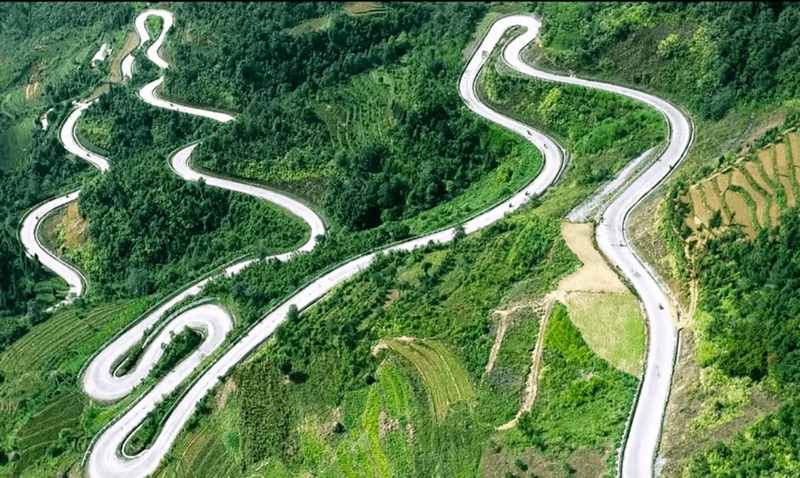
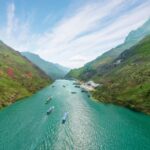
Dubbed the “King of Passes” among Vietnam’s four great peaks, Ma Pi Leng Pass stretches 20km at average 1,200m elevation, with sheer dizzying cliffs beside the turquoise Nho Que River winding like a silk ribbon below the valley. Pioneered in the 1950s, this road challenges backpackers with over 10 spectacular hairpin turns, but rewards with heart-pounding majestic views – mountain wind whistling past, white clouds drifting close to the vehicle. Stop at panoramic points, rent kayak to paddle the river (200,000 VND/person) feeling cool water lapping the hull and forest bird calls, or trek to the abyss exploring ancient karst caves. Free entry, but need border pass; must-visit for adrenaline teams, especially autumn with golden wild sunflowers lining the road.
3. Dong Van Ancient Town
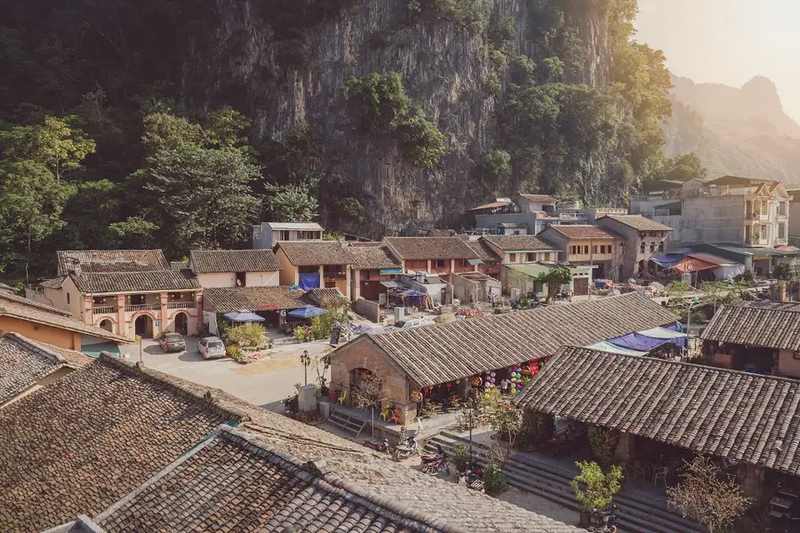
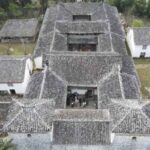
Nestled in the UNESCO Dong Van Karst Plateau, Dong Van Ancient Town is a 100+ year-old quarter with over 800 ancient rammed-earth houses of limestone and clay, blending French-Vietnamese architecture with H’Mong identity. Stroll the winding stone-paved streets, smell smoke from roadside eateries, hear local vendors selling brocade and corn leaf wine, and get lost in the vibrant weekend market with colorful ethnic attire. Highlights include relics like King Meo’s House or ancient communal house, where you can learn hand-brocade weaving or enjoy mountain-view coffee. Free entry (some relics 20,000 VND), open 24/7; ideal for evening strolls, where oil lamp lights create an unforgettable nostalgic atmosphere.
4. Double Mountain Quan Ba
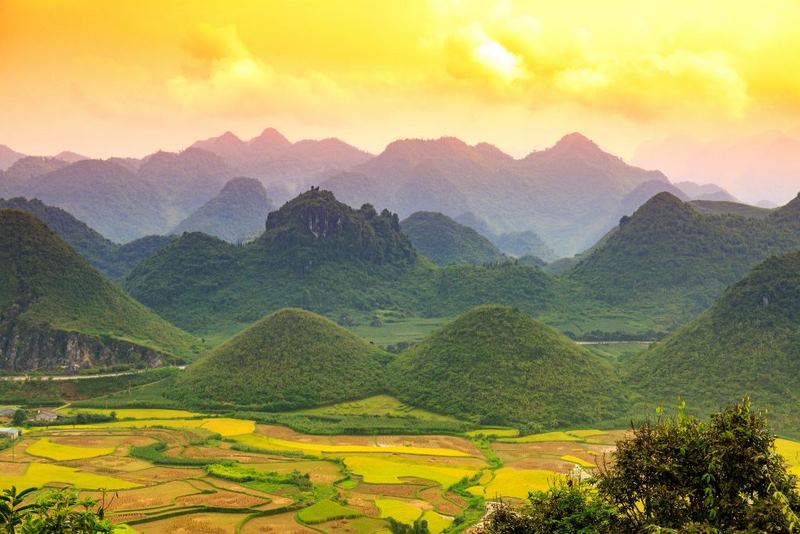
45km from Ha Giang City, Double Mountain Quan Ba – or “Quan Ba Fairy” – is a love symbol with two peaks protruding like a young woman’s breasts amid lush green valleys, legendarily the incarnation of a beautiful fairy. In the karst plateau, it’s most beautiful in spring with white blooming peach and plum, or autumn surrounded by golden ripe rice. Stand on the observation deck, breathe mountain breezes faintly scented with pine forests, and take “virtual” photos with panoramic views of the winding Ky Cung River – like stepping into a living ink wash painting. Ticket 20,000 VND/person, combine with nearby Lo Lo Chai Cultural Village to learn ethnic customs. Must-visit for couples, where nature whispers words of love.
5. Hoang Su Phi Terraced Fields
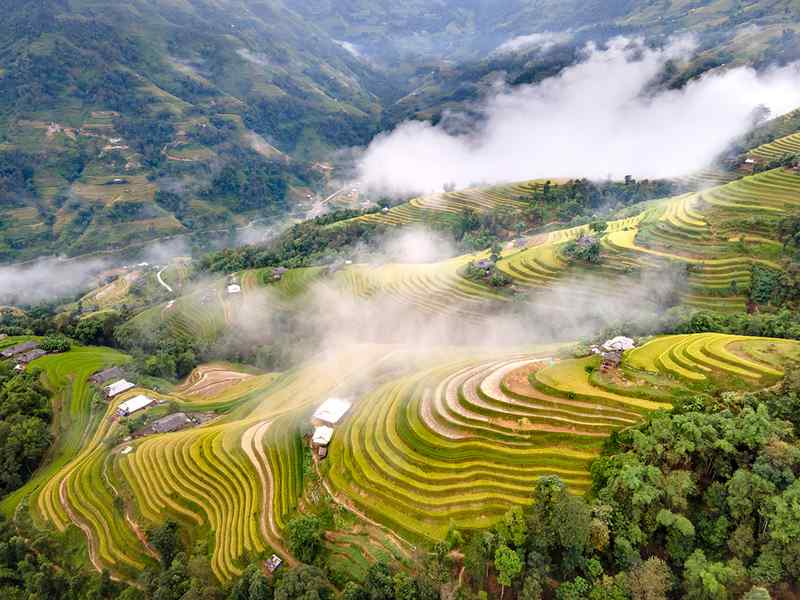
UNESCO intangible cultural heritage since 2018, Hoang Su Phi terraced fields span 6,000ha on steep mountainsides, where golden ripe rice fields shimmer under autumn sun like giant silk staircase ribbons, reflecting ethereal clouds and sky. Built over centuries by H’Mong and Dao people, it’s peak beauty in September-October, when cool winds carry falling ripe grains. Trek through villages like Pai Lung or Ban Phien, encountering fields curving with karst terrain, hearing babbling streams and smelling fresh rice aroma, even joining harvest with locals (if lucky). Ticket 50,000 VND/person (includes guide), open year-round; must-try camping by the fields to stargaze – a rejuvenating journey in pristine nature.
6. Nho Que River
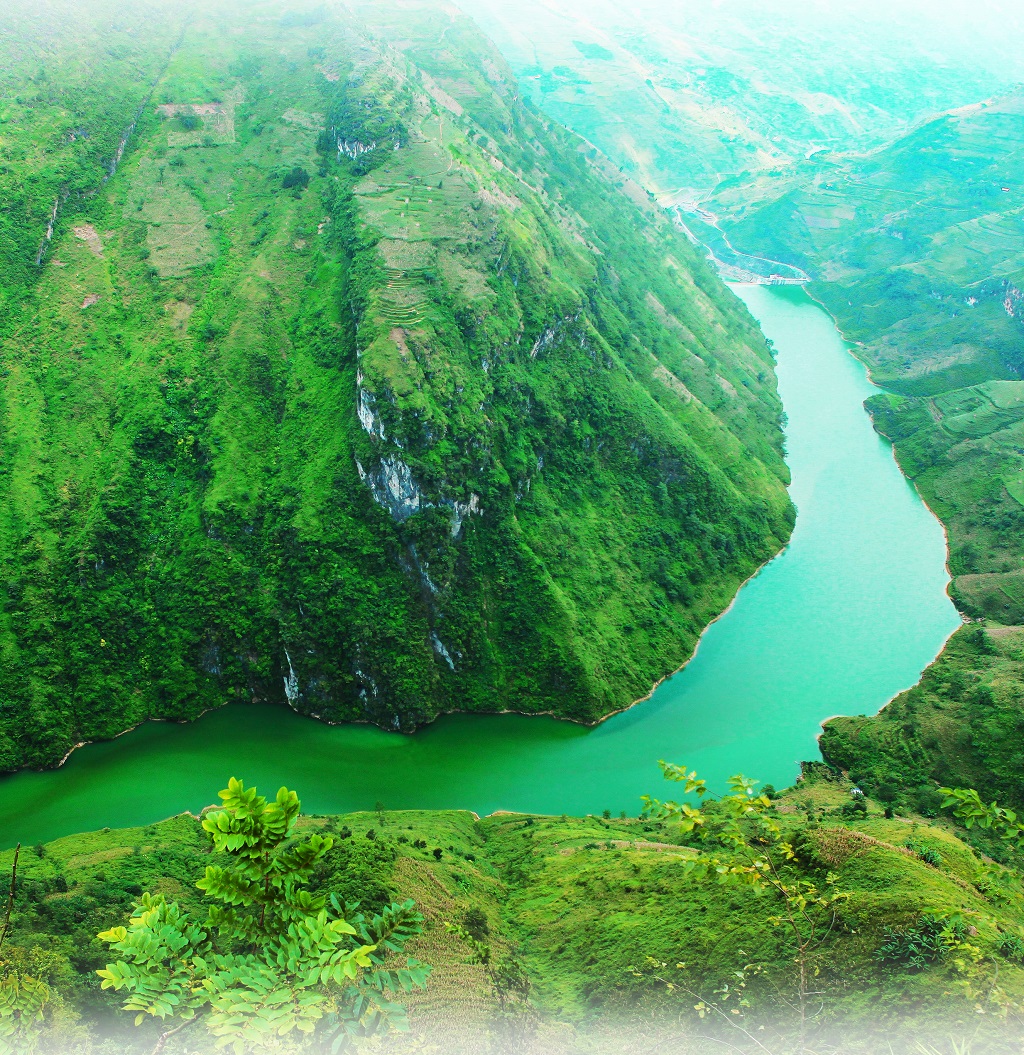
The 40km turquoise river winds through the deep Ma Pi Leng abyss, Nho Que River is the famous “green silk ribbon” with crystal-clear water reflecting towering karst cliffs, creating one of the Northwest’s most majestic natural paintings. Originating from Dong Van Karst Plateau, the river carries red alluvium from mountains, nourishing ethnic life. Try kayaking or cruising (150,000-200,000 VND/ride) along the river, feeling cool water lapping the hull, small waterfalls roaring, and winds carrying wildflower scents – relaxing moments in the wilderness. Free entry (boat fee only), ideal in summer to beat heat; combine with viewing the suspended Nho Que Bridge like a rainbow arc.
7. Heaven’s Gate Quan Ba
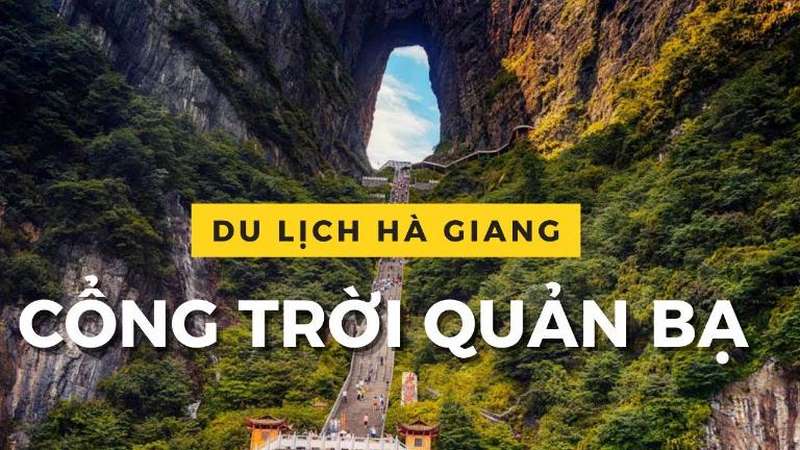
On Quan Ba Pass at 1,000m, Heaven’s Gate is a 15m high, 18m wide stone arch like a giant portal opening to the vast karst plateau, where you can stand silently admiring the Yen Minh valley panorama with sparkling Nho Que River under the sun. Built in 2009, the gate features ethnic architecture with intricate H’Mong motifs, becoming an iconic stop on Happiness Road. Sit on the stone railing, breathe cool air mixed with smoke from foothill villages, and take panoramic photos where clouds and sky blend – like entering a fairyland. Free entry, open 24/7; must-visit to “reset” after tiring turns, especially dawn as fog gradually clears.
8. Khau Vai Love Market
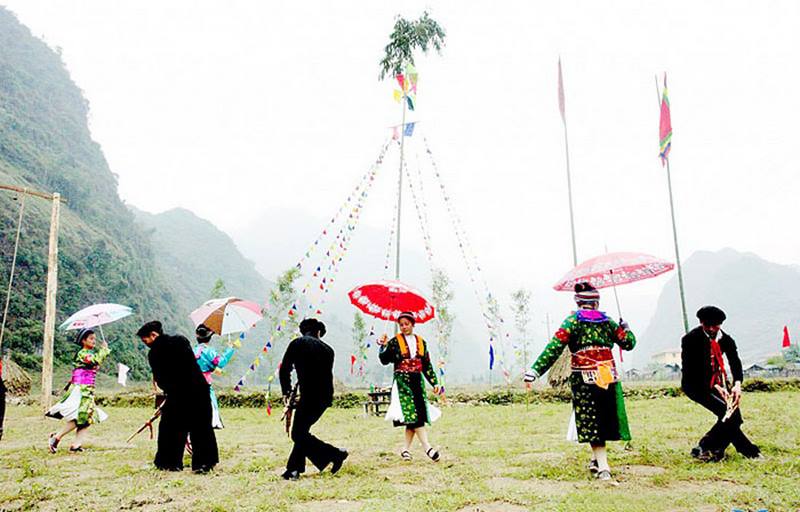
Held on the 27th of each lunar month, Khau Vai Love Market is a unique H’Mong cultural festival where young men and women meet through melodious leaf flutes and love dances by the poetic Khau Vai stream. With over 100 years of history, the market is not just trading but “fate exchange” via antiphonal singing, need wine, and colorful attire – lively with laughter and flute echoes amid mountains and forests. Try joining the circle dance, sipping spicy corn wine, and buying handmade brocade souvenirs, feeling ethnic warmth amid highland chill. Ticket 50,000 VND/person (includes performances), market days only; ideal for exploring ethnic love culture.
9. Lo Lo Chai Village
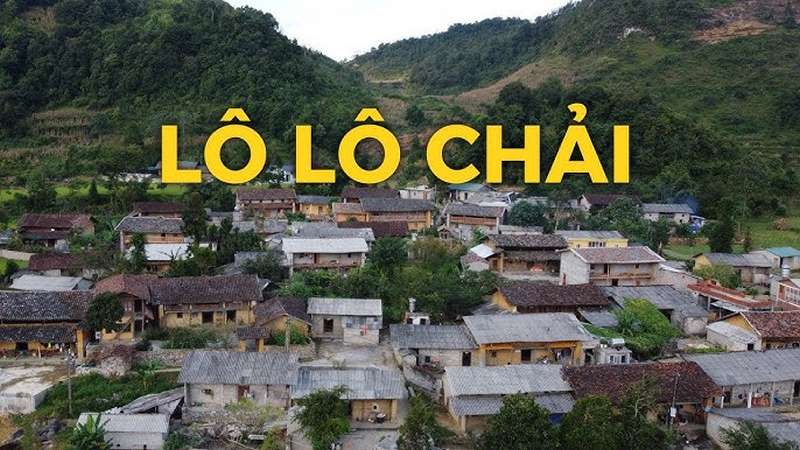
Nestled at the foot of Double Mountain Quan Ba, Lo Lo Chai Village is a cultural village of Lo Lo compatriots with over 50 ancient rammed-earth houses of stone and clay, showcasing unique culture through vibrant hand-embroidered attire and traditional brocade weaving. Stroll the small stone-paved alleys, smell smoke from simmering thang co pots, hear weaving rustles, and learn forest leaf dyeing – a slow-living journey amid pristine rhythms. Join homestay (300,000 VND/night) for dinner with locals, hot men men, and fireside stories. Free entry (guide fee 50,000 VND), open year-round; must-visit to deeply understand the small but resilient ethnic community.
10. Dong Van Karst Plateau Geopark
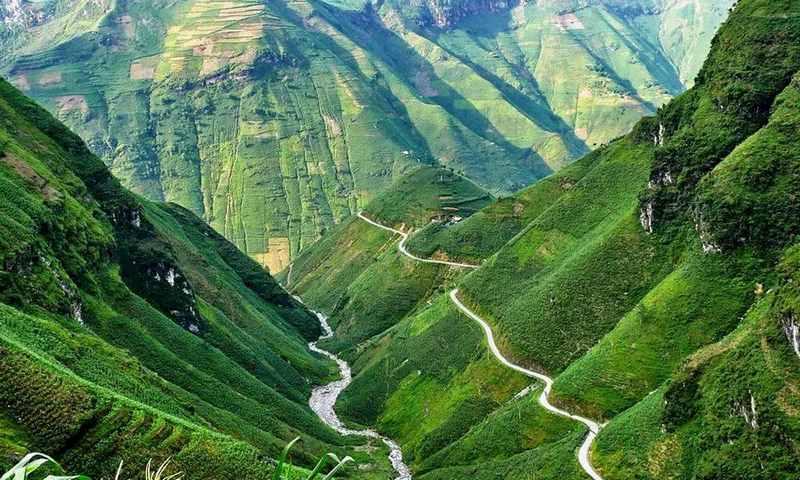
The 574km² UNESCO Global Geopark, Dong Van Karst Plateau is a living museum with ancient limestone geology over 400 million years old, where jagged karst pillars mix with caves, fossils, and vast stony plateaus like the Moon. Explore via trekking in Yen Minh or Dong Van, witnessing biodiversity with over 1,000 rare plant and animal species, breathing fresh air, and admiring “living stone mountains” changing by season – from lush green spring to snowy white winter. Join geology tours (200,000 VND/person) to learn Earth’s history. Entrance 20,000 VND, ideal for amateur scientists; not just beautiful but educational, igniting nature passion.
Accommodation, Cuisine, and Sightseeing Costs
Accommodation
Ha Giang offers diverse lodging from cozy ethnic homestays to modern hotels, suiting all budgets and styles. Overall, room prices range 200,000 – 1,000,000 VND/night, book ahead via Booking.com, Agoda, or local fanpages to avoid peak season full-ups (September-November).
- Ethnic homestays (200,000 – 500,000 VND/night): Most popular for cultural immersion. E.g., Pao Chai Homestay in Dong Van with ancient rammed-earth houses, spacious gardens, and homemade men men breakfast, warm like family – advantages cheap, deep culture (free brocade weaving lessons), but basic amenities (no AC, shared baths in some). Or Ban Phien Homestay in Hoang Su Phi, ripe rice field views, wake to rooster crows and morning mist, ideal for trekking and field camping (extra 100,000 VND for personal tent).
- 2-3 star hotels (500,000 – 800,000 VND/night): For families/groups, like Lo Lo Hotel in Ha Giang City with clean doubles, stable WiFi, Nho Que River views, central for easy travel – full amenities (winter heaters), but higher price, less “authentic” culture. Happiness Resort near Quan Ba more luxurious with pool/spa, 800,000 VND/night, stunning double mountain views, but far from center (45km).
- Camping and glamping (300,000 – 600,000 VND/night): For backpackers, camp at Ma Pi Leng Pass or Hoang Su Phi fields with self-tents (rent 100,000 VND/day), stargazing and bonfires – high adventure, low cost, but need warm sleeping bags and weather check to avoid chill (down to 5°C).
Total 3-night accommodation about 900,000 – 2,000,000 VND, depending on choice.
Cuisine
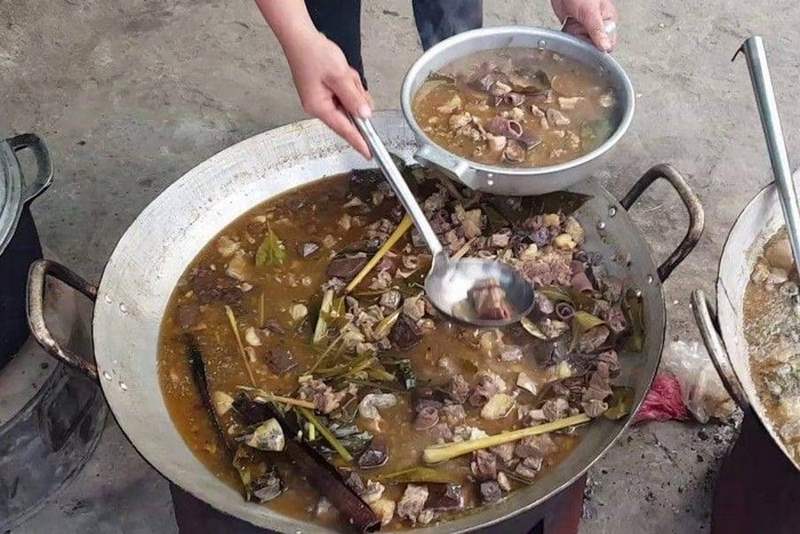
Ha Giang cuisine blends fresh mountain forest ingredients with ethnic styles, featuring spicy, bold flavors from local herbs. Average meal 50,000 – 150,000 VND/portion, easy at roadside stalls or markets. Try “must-eat” dishes to awaken taste buds on long journeys:
- Thang co (50,000 – 80,000 VND/portion): Beef offal hotpot stewed with 20 mountain herbs (ginger, cardamom, cinnamon), thick aromatic broth, with corn cakes – warm spicy spread, ideal cold mornings to “gather strength” for climbs. Try at Dong Van Ancient Town eateries, H’Mong sell from 5am, but note strong smell so eat slowly if new.
- Egg roll-up sheets and sour pho (40,000 – 60,000 VND/portion): Thin sheets filled with grilled meat and local eggs, dipped sweet-sour fish sauce; sour pho with fresh noodles, smoked buffalo, pickled greens, herbs – crispy, tangy awakening senses. At Quan Ba market or homestays, especially tasty post-trekking.
- Men men and smoked buffalo meat (60,000 – 100,000 VND/portion): Steamed corn flour dipped hot broth with wild veggies; smoked buffalo fiery from forest chilies, chewy aromatic – convenient “road” dish, energy-packed. At Lo Lo Chai Village, locals make it, pair with corn leaf wine (20,000 VND/glass) for flavor.
- Need wine and others: Need wine from glutinous rice fermented forest leaves, bamboo tube drunk sweet-spicy after; add triangular sticky rice banana leaf cakes or Dao five-color sticky rice. Clean ingredients, cheap, but strong spice (moderate for safe driving). Total 4-day food 800,000 – 1,200,000 VND.
- Ticket prices: Mostly free or under 50,000 VND/site. 4-day package tours: 3,000,000 – 5,000,000 VND/person via Vietravel or Mai Chau Tourist.
Notes When Traveling to Ha Giang
- Safety: Dangerous passes, drive under 40km/h, carry ID and border pass. Avoid solo if first time.
- Weather: Warm clothes, sunscreen; check forecasts to avoid rainy landslides.
- Culture: Respect ethnic customs, ask before photos, no littering to protect Geopark environment.
- Health: Drink plenty water, basic meds; full vaccines pre-trip.
Ha Giang travel is not just landscape exploration but a chance to immerse in fraternal ethnic rhythms, creating unforgettable memories. With majestic beauty from high passes to terraced fields, it’s a top Northwest destination. Wishing you “lost path home” moments in Ha Giang!